.png?width=1906&height=652&name=Logo%20Pill%20Blue%20(2026_03_27%2017_45_45%20UTC).png)

Cairnspring Mills
EB-5 Due Diligence

.png?width=48&height=48&name=eb5%20visa%20investors%20favicon%20(2026_03_28%2019_48_32%20UTC).png)
Choosing the right EB-5 regional center is one of the most consequential decisions you'll make on your path to U.S. permanent residency. With hundreds of USCIS-designated regional centers operating across the country, the challenge isn't finding options—it's knowing which ones have earned a strong reputation for investor approval, regulatory compliance, and capital repayment. At EB5 Visa Investors, we help investors evaluate our regional center EB-5 offerings using clear, verifiable criteria rather than marketing claims.
This article walks you through seven signs that distinguish reputable regional centers from the rest. You'll learn what to look for—and what to verify—before committing your capital to any EB-5 investment opportunity.
Evaluating an EB-5 regional center requires looking beyond marketing materials. The criteria below come from analyzing USCIS regulatory requirements, the EB-5 Reform and Integrity Act of 2022, and patterns observed across successful EB-5 investments.
The foundation of regional center reputation is simple: verify they're legally authorized to operate. USCIS maintains a public list of approved regional centers that you can check before investing any capital.
Under the EB-5 Reform and Integrity Act of 2022, regional centers must file annual certifications confirming ongoing compliance and pay integrity fund fees. Failure to meet these requirements results in termination proceedings. A reputable regional center will readily confirm their current certification status and provide documentation.
Pros:
Cons:
A regional center's petition approval history tells you whether their investors actually receive green cards. The I-526E petition (filed when you invest) and I-829 petition (filed to remove conditions on your green card) are the two immigration milestones that matter most.
Reputable regional centers can document how many investors have filed, how many received approvals, and how many progressed through the entire process. EB5 Visa Investors maintains a very high approval rating on all investor I-526E and I-829 petitions—a track record built through careful project selection and investor-first practices.
EB-5 investments are securities offerings. Regional centers must comply with federal securities laws (regulated by the SEC) and state securities regulations. A clean compliance record indicates the regional center operates within legal boundaries and treats investor protection seriously.
You can search the SEC EDGAR database for enforcement actions and check FINRA BrokerCheck if a registered broker-dealer is involved in selling the offering. State securities regulators also maintain records of violations and enforcement actions.
Receiving your green card is only part of the equation. A reputable regional center also returns your capital after the investment term ends. This requires projects with viable exit strategies—whether through refinancing, sale, or operational cash flow.
EB5 Visa Investors has a track record of full repayment of investors in our first EB-5 project. This history matters because it demonstrates the regional center's ability to structure projects that protect investor capital while meeting job creation requirements.
Third-party oversight adds accountability. Independent fund administrators track investor capital, verify its proper deployment into job-creating projects, and report on fund activity. This separation of duties reduces the risk of mismanagement or misuse of investor funds.
Under the EB-5 Reform and Integrity Act, USCIS now audits regional centers at least every five years using Generally Accepted Government Auditing Standards. Regional centers with proper internal controls and independent oversight are better positioned to pass these audits.
Membership in industry associations like Invest in the USA (IIUSA) signals that a regional center participates in the professional EB-5 community. IIUSA members commit to a code of conduct and program integrity standards.
While membership alone doesn't confirm quality, it indicates the regional center engages with industry best practices, regulatory updates, and peer accountability. Regional centers that avoid industry participation may be operating in isolation from professional standards.
Job creation is the core requirement of the EB-5 program. Regional center projects count indirect and induced jobs (calculated through economic modeling) in addition to direct employment. A reputable regional center uses accepted methodologies and qualified economists to document job creation.
The economic impact study should use models like RIMS II, IMPLAN, or REDYN—methodologies recognized by USCIS for EB-5 job creation calculations. The study should be prepared by a qualified economist and demonstrate sufficient jobs to support all investor petitions.
| Reputation Indicator | Verifiable Through | Why It Matters |
|---|---|---|
| Active USCIS Designation | USCIS Approved List | Confirms legal authorization to operate |
| I-526E/I-829 Approvals | Regional Center Documentation | Shows investors receive green cards |
| Clean Compliance Record | SEC EDGAR, State Regulators | Indicates lawful operation |
| Capital Repayment History | Project Documentation | Demonstrates investor capital protection |
| Independent Fund Administration | PPM and Subscription Agreement | Adds third-party accountability |
| Industry Association Membership | IIUSA Member Directory | Signals professional engagement |
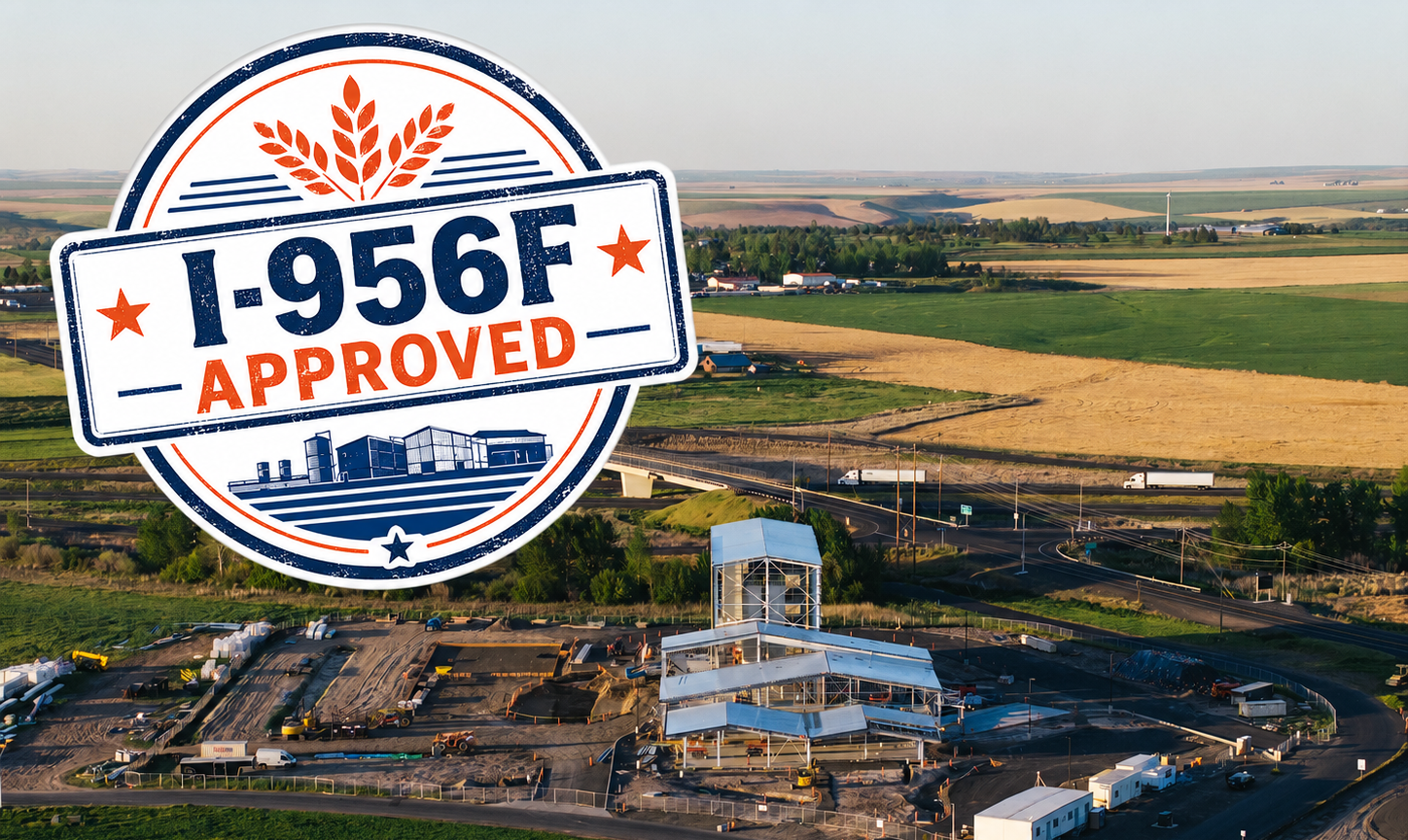
| Sound Job Creation Methodology | Economic Impact Study, I-956F Approval | Supports green card approval |
Before committing capital to any EB-5 regional center, ask these questions and expect clear, documented answers:
A reputable regional center will answer these questions directly and provide documentation to support their claims. If you encounter reluctance or vague responses, consider it a warning sign.
The EB-5 Reform and Integrity Act of 2022 introduced several protections that strengthen regional center accountability:
These provisions supplement—but don't replace—your own due diligence. EB5 Visa Investors helps you navigate these requirements and identify regional centers that meet the highest standards of investor protection.
Generic "top regional center" lists often rely on self-reported data, marketing claims, or undisclosed financial relationships. That approach doesn't serve your interests as an investor.
EB5 Visa Investors takes a different path. We help you evaluate regional centers using clear, verifiable criteria—the seven signs outlined in this article. Our boutique approach means we focus on long-term relationships rather than transaction volume, working with a carefully curated selection of projects that prioritize investor protections.
Our goal is simple: help you make an informed decision based on facts, not marketing. If you're evaluating EB-5 regional centers and want personalized guidance, contact EB5 Visa Investors to discuss your situation.
A reputable EB-5 regional center has active USCIS designation, documented I-526E and I-829 approval history, a clean compliance record with no SEC or state securities violations, and evidence of returning investor capital. EB5 Visa Investors helps you verify these criteria before investing.
Visit the official USCIS website and search their approved regional center list. Look for "active" status rather than pending, terminated, or voluntarily withdrawn. EB5 Visa Investors can help you interpret what you find and identify any concerns.
Independent fund administration adds third-party oversight to investor capital. The administrator tracks fund deployment, verifies proper use of capital, and reports on project finances—reducing the risk of mismanagement. EB5 Visa Investors works with projects that include this accountability layer.
The EB-5 Integrity Fund was created by the Reform and Integrity Act of 2022. Regional centers pay annual fees that USCIS uses to administer the program and conduct enforcement activities. Regional centers that don't pay these fees face termination proceedings.
Under the Reform and Integrity Act, USCIS must audit each regional center at least once every five years. These audits review documentation, financial records, and the flow of investor capital into projects. Regional centers that don't consent to audits face termination.
Yes. USCIS can terminate regional center designation for failing to file annual certifications, refusing to consent to audits, not paying integrity fund fees, or violating program requirements. The USCIS website lists terminated regional centers and termination notices.
Ask for their I-956F project approval, I-526 and I-829 approval statistics, capital repayment documentation from completed projects, the Private Placement Memorandum, and information about their independent fund administrator. EB5 Visa Investors can help you evaluate the responses.